Choosing the Right Strength in Nicotine Pouches
Why Strength Matters
When you pick up a nicotine pouch for the first time, the strength is probably the first thing you look at. It is also the easiest thing to get wrong. Grab a pouch that is too strong and you might feel dizzy or nauseous. Pick one that is too weak and you will likely find yourself reaching for another one too soon, which defeats the purpose of a measured dose. Getting the strength right makes the difference between a satisfying experience and an unpleasant one.
Unlike cigarettes or vaping, where the rate of absorption is faster and more variable, nicotine pouches deliver a steady release through the mouth lining. This means the strength you choose directly controls how much nicotine your body receives over time. Understanding how strength is measured, how different brands label their products, and how your own tolerance plays into the choice is essential before you buy.
How Nicotine Pouch Strength is Measured
Strength in nicotine pouches is expressed in milligrams per pouch. This figure tells you the total amount of nicotine inside that single pouch. Most pouches on the market range from around 4 mg to 20 mg per pouch, though some go higher. The number alone, however, does not tell the whole story. Two pouches that both contain 10 mg of nicotine can feel very different depending on other factors, such as the nicotine salt content and the moisture content of the pouch.
Nicotine salts are used in many pouches because they are more stable and allow for a smoother absorption compared to freebase nicotine. A pouch with a higher nicotine salt content might feel less harsh than one with a lower total milligram count but a different nicotine form. Moisture content also plays a role. A wetter pouch releases nicotine faster, so a lower-strength moist pouch can hit harder than a dry pouch with a higher milligram label. This is why looking at the milligrams per pouch is only a starting point.
Strength Labelling Across Brands
One of the trickiest parts of choosing a nicotine pouch is that strength labelling is not standardised. Different brands use different words to describe the same level. One brand might call a 6 mg pouch "medium" while another calls a 10 mg pouch "medium." Some brands use a simple scale of light, medium, strong, and extra strong. Others use numbers or icons. A few brands skip descriptive labels entirely and just print the milligram figure on the can.
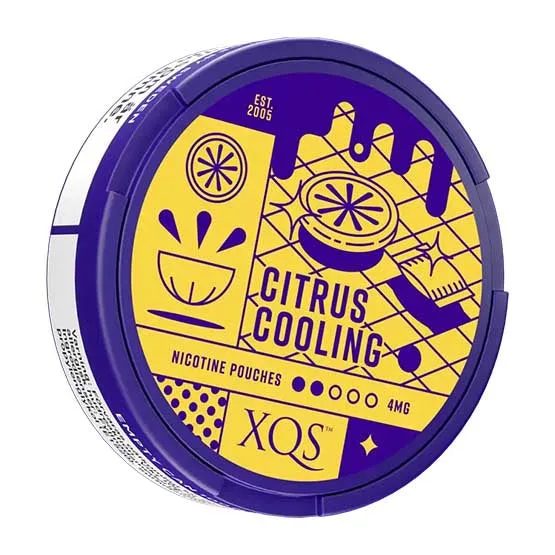
This inconsistency means that buying a pouch based only on the label description can lead to surprises. A pouch labelled "strong" from one manufacturer could be weaker than a "medium" from another. The most reliable method is to check the exact milligrams per pouch on the product page or can. If you are switching between brands, treat each new brand as a fresh choice and start lower than you think you need.
Your Own Tolerance and Experience Level
Personal tolerance is the biggest variable in finding the right nicotine pouch strength. Someone who has been using nicotine for years, whether through smoking, vaping, or other pouches, will generally need a higher strength to feel satisfied. A beginner, or someone who uses nicotine only occasionally, should start at the lower end of the scale.
There is no universal chart that tells you exactly which strength to pick because everyone metabolises nicotine differently. Body weight, metabolism, and even how quickly you absorb nicotine through the mouth lining all affect how a pouch feels. A good rule of thumb is to begin with a pouch around 4 mg to 8 mg if you are new to pouches or have a low tolerance. If you are a heavier nicotine user, you might start around 10 mg to 15 mg and adjust from there.
It is worth noting that the same person can have different tolerance levels at different times of day or in different situations. A first pouch in the morning might feel stronger than one you use after a meal. Pay attention to how your body responds and adjust your choice accordingly.
Pouch Placement and Its Effect on Strength Perception
Where you place the pouch in your mouth also changes how strong it feels. The upper lip area absorbs nicotine more efficiently than the lower lip. Placing a pouch high up against the gum line delivers nicotine faster and can make even a moderate-strength pouch feel quite strong. If you place the pouch lower, the release is slower and the effect is more gradual.
Some people also find that moving the pouch around during use changes the sensation. If a pouch feels too intense, you can take it out and let it rest for a few minutes before putting it back. This is a practical way to moderate the dose without having to switch to a lower strength entirely. On the other hand, if a pouch feels too weak, you can try keeping it in longer or placing it higher up. But these adjustments have limits. If you consistently need to manipulate the placement to get the right effect, you probably need a different strength altogether.
Understanding nicotine pouch strength is not just about the number on the can. It is about how that number interacts with the pouch design, your body, and your habits. A strength that works perfectly for one friend might feel completely wrong for you, even if your tolerance seems similar. That is why experimenting carefully and paying attention to the details matters more than following a generic recommendation.
Portion Size and Moisture Content
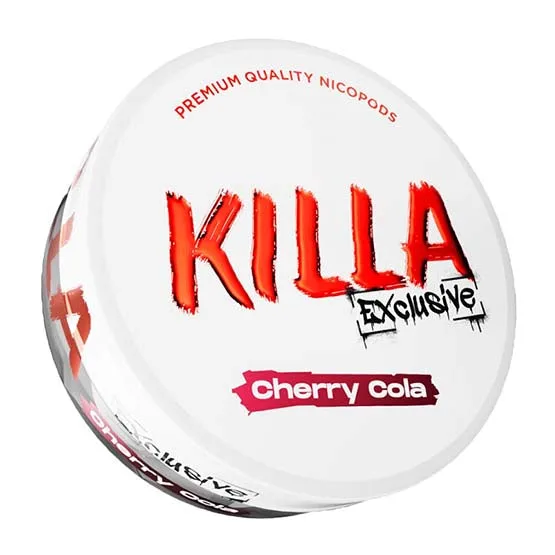
Portion size refers to the physical dimensions and weight of the pouch itself. Slim pouches are smaller and more discreet. They tend to hold less moisture and deliver nicotine more slowly. Large or "maxi" pouches are bigger and usually contain more moisture, which means they release nicotine faster. A slim pouch with 10 mg of nicotine might feel milder than a large pouch with the same milligram count because the larger pouch releases its nicotine more quickly.
Moisture content is often overlooked by new users. A dry pouch feels firmer and releases nicotine gradually. A moist or "white" pouch is softer and wetter, giving a faster onset. Some brands also make "slim white" or "all white" pouches that are completely dry and offer a very slow, steady release. If you want a consistent experience over a longer period, a drier pouch might suit you. If you want a quick hit, a moist pouch could be better. The same milligram strength can feel very different depending on which format you choose.
Using a Strength Chart as a Guide
A strength chart can help you compare products from different brands, but it is only a guide. The best strength charts list the exact milligrams per pouch alongside the brand’s own label. They also sometimes include a note about the nicotine salt content and the portion size. When you look at a chart, pay attention to the milligram number first and the description second. If a brand calls a pouch "strong" but it only contains 6 mg, that tells you the brand’s scale is shifted low. Conversely, a brand that calls 15 mg "regular" is clearly catering to high-tolerance users.
Do not rely on a strength chart alone to make your final choice. Use it to narrow down your options, then read the product details about moisture content and portion size. If you can, try a small quantity of a new strength before committing to a larger order. This saves you from ending up with a whole can of pouches that you cannot use comfortably.
Common Mistakes and How to Avoid Them
One common mistake is assuming that a higher strength always means a better buzz or a more satisfying experience. In reality, taking a pouch that is too strong can overwhelm your system and make you feel unwell. It can also lead to a quicker buildup of tolerance, meaning you need even higher strengths to feel the same effect later. Another mistake is sticking with the same strength across all brands without adjusting for differences in nicotine salt content or moisture. A pouch from Brand A at 8 mg might hit harder than a pouch from Brand B at 10 mg if the first uses a different nicotine salt or has a higher moisture content.
A third mistake is ignoring the portion size. A slim pouch that fits discreetly under your lip might look like a good choice, but if you need a stronger effect, choosing a slim pouch with a higher milligram count could still feel weaker than a larger pouch with a lower count because of the slower release. Think about not just how much nicotine is in the pouch, but how fast you want it to arrive.
Practical Tips for Finding Your Strength
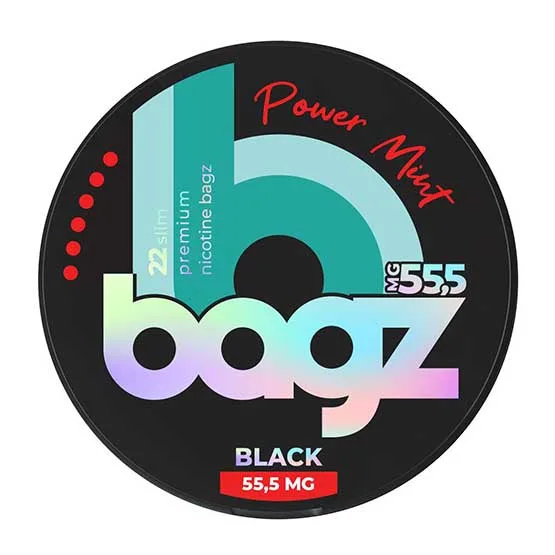
Start at the low end of what you think you need. It is easier to take a second pouch if the first is too weak than to deal with a pouch that is too strong. Keep notes on which strengths work for you from different brands. Over time, you will build a personal reference. If you are buying from a UK specialist online store, look for product descriptions that include the milligrams per pouch, the nicotine salt content, the portion size, and the moisture level. These details help you make an informed choice without guessing.
Also consider the occasion. You might want a lower strength for casual use and a higher one for times when you need a more noticeable effect. Having two different strengths in your rotation is common among experienced users. This way, you can match your pouch to your situation rather than forcing one strength to work for everything.
Final Thoughts
Choosing the right nicotine pouch strength is a personal process that involves understanding the numbers, the pouch design, and your own body. There is no shortcut, but the effort pays off in a more comfortable and satisfying experience. Pay attention to the milligrams per pouch, the nicotine salt content, the portion size, and the moisture content. Use strength charts as a starting point, but trust your own feedback more. Start low, go slow, and adjust as you learn. With a bit of careful experimentation, you will find the strength that works best for you.